Chloe Greeting Card SVG Review for Real Embroidery Projects
As an embroidery designer who regularly tests digital files before using them in client work or my own handmade products, I approach new designs with a critical eye. The Chloe Greeting Card SVG caught my attention not just for its aesthetic appeal but for how it might translate into real-life stitched results. In this review, I’ll walk through what makes this design functional and beautiful—and where to use it wisely.
A First Look at Chloe Greeting Card SVG
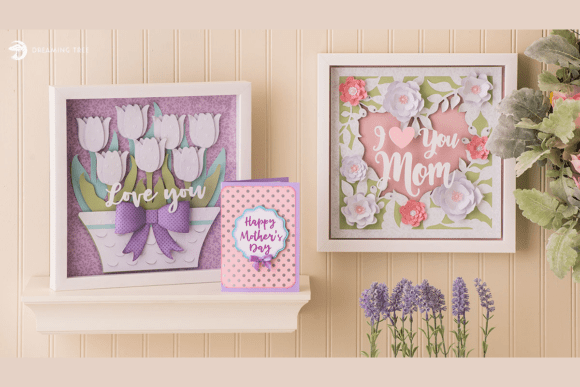
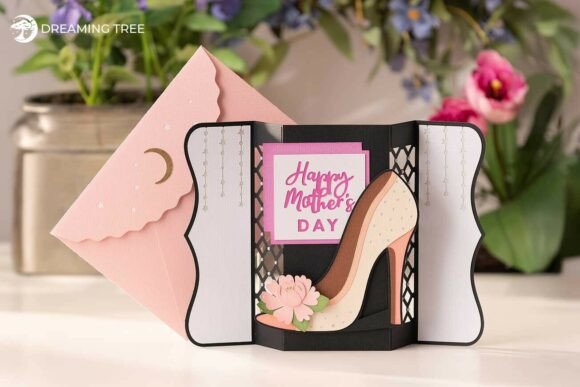
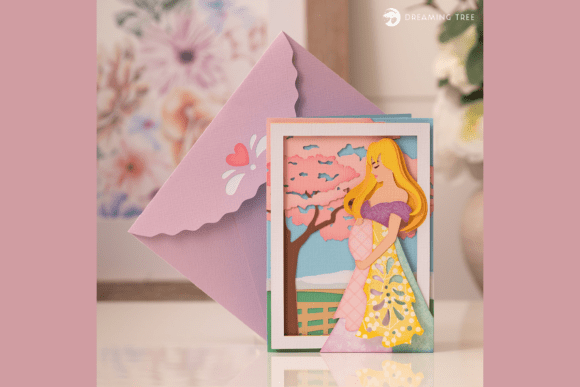
The first thing that stands out about the Chloe Greeting Card SVG is its layered composition. It features a graceful figure set against a blossoming spring backdrop, which gives it a warm and elegant feel. The design’s mood is soft and welcoming, making it ideal for Mother’s Day-themed items like greeting cards, custom apparel, or boutique gifts.
Visually, the layout is balanced—neither too busy nor too sparse. The detail level feels intentional: floral elements are intricate without being overwhelming, and the central figure maintains clarity even among the background layers. This kind of visual personality suits projects that aim to feel thoughtful and high-quality, especially when targeting customers who appreciate subtle sophistication.
Design Fit and Project Suitability
I immediately thought of how this design could elevate a custom sweatshirt or tote bag. The 3D SVG format suggests some depth in stitching, possibly achieved through varying stitch types and layering techniques. That kind of dimensionality can make all the difference on cotton or felt fabrics, where texture plays a role in how the final product is perceived.
For example, if I were creating a personalized gift for a client—a holiday card or a Mother’s Day pillow cover—the Chloe Greeting Card SVG would fit perfectly. Its theme naturally aligns with sentiments of care and celebration, and as a designer, I’d consider it a strong asset for both handmade product lines and commercial embroidery ventures.
Real-Life Performance of Chloe Greeting Card SVG
When considering how this design will perform in actual embroidery situations, several factors come into play. Let’s break down a few common project types:
- Custom Apparel: On a sweatshirt embroidery project, the design’s gentle curves and layered elements would add charm. However, because of the softness of fleece, I’d recommend testing stitch density to ensure the details don’t get lost.
- Tote Bags: A tote with this design could serve as a standout item in an Etsy shop. The embroidered patch style works well here, especially if you plan to hoop the area carefully and use stabilizer underneath.
- Baby Items: For a nursery decor piece or a baby blanket, the design’s warmth and elegance are assets. Just be mindful of fabric stretch and seam allowances when placing the design near seams or corners.
- Patches and Aprons: As an applique design, Chloe has potential for embroidered patches or apron fronts. The key is ensuring thread colors pop against the base fabric and that small details remain intact after trimming and hooping.
- Digital Product Previews: If you're an Etsy seller or craft business owner offering downloadable embroidery kits, this file adds instant value. Its layered look allows for clear printable mockups and professional-looking previews that customers trust.
What impresses me most is how the design adapts across different formats. Whether used as a standalone card motif or part of a larger collection of design assets, it holds its structure and personality. The 3D SVG format hints at possible variations in stitch types—like satin stitch for outlines and fill stitch for floral areas—which could create a rich, dimensional effect when properly executed.
Where to Use Chloe Greeting Card SVG with Caution
While this design is versatile, there are certain contexts where it may require more planning:
- Small Hoop Sizes: The layered nature of the design means it might struggle in tight spaces. Always confirm your machine's hoop size before committing to production.
- Textured Fabrics: On materials like denim or canvas, the fine details may not stitch as cleanly. Consider simplifying the design or adjusting stitch density accordingly.
- Thin or Stretchy Fabrics: Delicate materials such as rayon or thin knits can cause distortion during stitching. Test on scrap first and adjust tension or backing as needed.
- Dark Backgrounds: The thread colors included may not contrast well against black or deep-colored bases. Evaluate whether alternative color schemes would enhance visibility and impact.
- Curved Surfaces: Stitching on curved surfaces like caps or hats can lead to misalignment or puckering. Check if the design includes split sections for better placement flexibility.
- Frequent Wash Products: Because of the design’s detail and layering, frequent washing (as with baby clothes or tea towels) could wear down delicate parts over time. Reinforce with proper stabilizer or suggest it for occasional-use items.
These considerations aren’t deal-breakers—they’re simply reminders to treat each embroidery project with individual attention. The Chloe Greeting Card SVG is powerful, but like any good design, it needs the right setup to shine.
Visual Appeal and Customer Reaction
One of the strongest points of the Chloe Greeting Card SVG is its ability to convey emotion through visual language. The combination of a graceful figure and blooming flowers communicates care and celebration beautifully. When stitched correctly, the result is a finished product that feels handcrafted yet polished—an essential trait for personalized gifts or small shop merchandise.
From a customer perspective, this design adds perceived value. Whether it's a custom pillow cover for a boutique or a Mother’s Day card for a local craft fair, people respond positively to designs that feel both meaningful and professionally made. The machine embroidery design quality here supports that expectation, helping you maintain brand consistency and build customer trust with every order.
Designer Tips for Using Chloe Greeting Card SVG
If you're integrating this SVG into your workflow, here are some practical steps to ensure success:
- Test on Scrap Fabric: Before stitching on a final product, always test the embroidery file on a similar material. This helps identify issues with stitch density or thread colors early.
- Review Thread Color Contrast: Especially important for dark backgrounds. If necessary, re-color the design to match your fabric and brand palette.
- Inspect Small Details: The design includes tiny lettering and floral elements. Ensure these are legible and stable, particularly if they'll be on a handmade product meant for resale.
- Use Proper Stabilizer: Given the layered complexity, a tear-away or cut-away stabilizer may be necessary to prevent shifting or distortion during stitching.
- Check Licensing: If you're selling finished goods or digital embroidery files, verify the licensing terms for commercial use. Some SVGs are only for personal projects, so this step is crucial.
Also, take time to compare how the design looks in both light and dark fabric settings. You might find that it performs better on lighter tones, or conversely, that a black-and-white version still retains enough definition to be impactful.
Final Thoughts on Design Value and Use
The Chloe Greeting Card SVG isn’t just another holiday design—it’s a thoughtful, layered embroidery project that can elevate multiple product categories. From custom apparel to personalized gifts, it brings a sense of elegance that resonates with buyers looking for something beyond the generic.
Its strength lies in how it balances beauty with usability. The 3D aspect adds visual interest without complicating the stitching process unnecessarily. Still, it requires careful consideration of fabric type, hoop size, and placement. For craft business owners and creative entrepreneurs, this design offers a reliable way to enhance product offerings while maintaining a cohesive, recognizable style.
In short, the Chloe Greeting Card SVG deserves a place in your digital design toolkit—but always test, adjust, and adapt based on the specific requirements of your next handmade product or commercial embroidery run. With the right preparation, it can become a signature element in your creative portfolio.